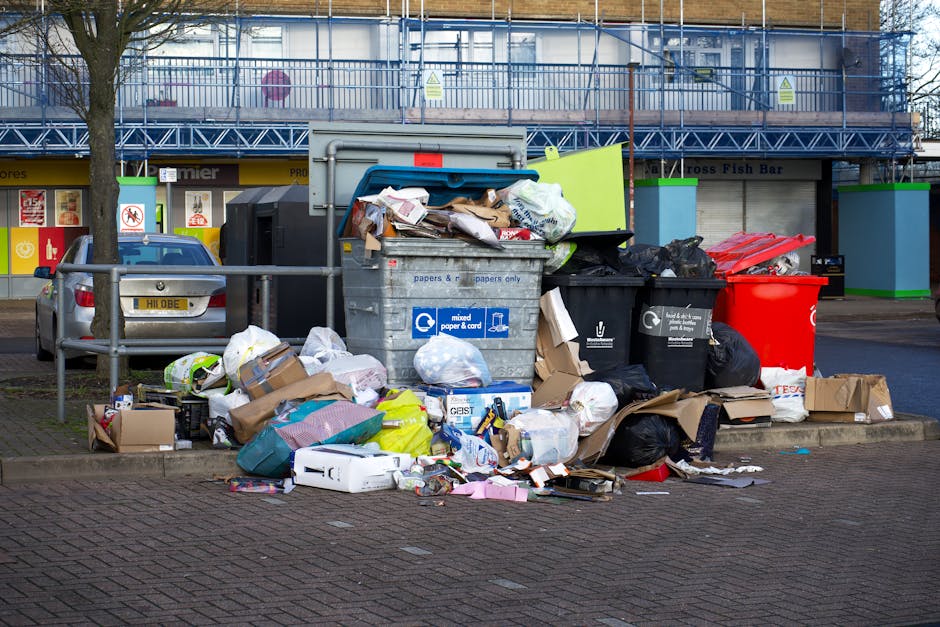
Commercial Waste Removal in Wimbledon

Commercial waste removal in Wimbledon needs a clear, dependable approach to mixed business rubbish, recurring collections and one-off clearances. Our service is set up around the practical demands of workplaces, shops, hospitality sites, managed premises and trades that need waste taken away without disrupting the day. We handle the uplift, sorting and removal of suitable commercial waste, then direct it towards the right next step wherever possible, so the process stays straightforward from first enquiry to completion.
For many customers, the main advantage is having a single team that can manage business waste removal across a broad range of everyday materials. That may include bagged office rubbish, shelving, packaging, broken items, old fittings and other non-hazardous commercial waste. The service is designed to be flexible, but still careful: we look at access, volume, type of waste and any site rules before the job goes ahead, so the work can be planned around your space rather than the other way round.
A quick call to action can be simple: tell us what needs removing and when you would like it dealt with. If you already know the kind of waste on site, that helps us point you towards the most suitable service. If you only have a rough idea, that is fine too. The clearer the description, the easier it is to shape a sensible quotation and arrange the right collection.
Business collections and recurring waste support
Business waste is rarely identical from one premises to the next, which is why we keep the service broad enough to cover a range of day-to-day needs. Some customers want a one-off clear-out after a refit, while others need periodic uplift for accumulated rubbish, packaging or redundant stock. Our work is focused on removing commercial waste efficiently, with enough care to suit shared buildings, busy entrances and sites where access has to remain open.
When you are weighing up the right option, it helps to think in terms of what is being removed and how it is stored. Loose mixed waste, boxed items, office furniture, broken fixtures and warehouse leftovers may all need slightly different handling. We can talk through the likely loading pattern and whether the job is best suited to a simple uplift, a phased clearance or a broader business waste arrangement. If you are ready, send the details and ask for a quotation.
What we can remove from commercial premises

Commercial waste removal often covers more than just general rubbish sacks. Depending on the site, it may involve dismantled counters, desks, chairs, light shelving, cardboard, packaging, display materials and other non-hazardous items that have reached the end of their use. By grouping items sensibly before collection, we can often keep the uplift tidier and make it easier to separate reusable or recyclable material where appropriate.
It is usually helpful to know whether the waste is clean, mixed, bulky or awkwardly stacked. That information affects how the collection is prepared and what equipment or labour may be needed. If you are arranging a clear-out from a shop, studio, workshop, storage room or office, the same basic principle applies: the more precise the description, the more accurate the quotation is likely to be. Practical detail matters more than guesswork.
Typical commercial clearances may involve:
- office furniture and fittings
- cardboard, wrapping and packaging
- broken or outdated stock
- display units and shop fixtures
- general mixed business rubbish
Office and workplace clearances
Office clearance suits premises that need desks, chairs, filing items and general workplace waste removed in a tidy way. Offices often generate a mixture of paper-based waste, redundant equipment and old furniture, and not all of it can be treated in the same manner. A clear office clearance plan helps reduce disruption, especially where colleagues, tenants or visitors still need to use the building.
We approach workplace clearance with an eye on access, lifting and sorting. If items need to come from upper floors, narrow corridors or shared entrances, those details affect the job. In some cases it makes sense to split the work into stages so that circulation space stays usable while larger items are taken away. This is especially useful where office layouts are changing and you want to keep the transition orderly.
For businesses refreshing their premises, a workplace collection can sit alongside other services such as business waste removal or furniture disposal. The right option depends on the mix of waste and the scale of the clear-out. If you are unsure which route fits your site, a brief description is enough to start the conversation and move toward a sensible quotation.
Furniture, fixtures and bulky items
Furniture clearance is useful when a premises has redundant chairs, tables, storage pieces or reception items that are too bulky for ordinary waste handling. For commercial customers, furniture removal often comes with the added challenge of tight stairwells, narrow lifts, awkward hours or the need to keep the public face of the building looking presentable during the job. The service is arranged with those practical concerns in mind.
Some furniture can be separated into components before removal, while other pieces are better moved intact for safety and speed. We look at condition, size and route through the building before deciding on the best approach. If fixtures are attached or partly built in, that also matters. A careful plan can help reduce damage to surrounding walls, floors and door frames while still keeping the clearance efficient.
When furniture is only one part of a wider clearance, it can be sensible to combine it with another service rather than arranging several visits. That might suit a move, renovation or change of layout where desks, cabinets, signage or waiting-room items all need to go together. A short enquiry with the item list is usually enough to get things moving.
Where the service suits mixed premises
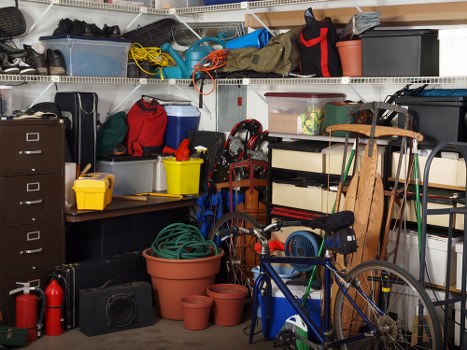
Commercial waste removal can be useful across a wide range of business settings, from smaller premises with limited storage to larger sites that generate regular surplus materials. Different settings create different waste patterns, but the common factor is the need for a removal process that is direct, tidy and suited to the property. Waste from customer-facing spaces often needs a more discreet approach than waste from back-of-house areas.
Builders waste clearance may also be relevant where business premises are being altered, refitted or partially refurbished. That service can cover rubble, offcuts, packaging and other residue created during improvement work. It is not the same as an office tidy-up, so matching the right service to the waste type matters. If the job includes both commercial rubbish and construction residue, the collection plan should reflect that mixture.
Useful preparation is simple and focused. Keep waste accessible where possible, separate items if you already know they belong to different groups and note anything that might make lifting or loading harder. A concise message with photographs can help, but it is not essential. What matters most is an honest description of the waste, the access and the amount involved, so the quotation is based on the real job rather than broad assumptions.
Clearance choices for shops, landlords and managed sites
Shops, landlords and managing agents often need a removal service that can work around changing occupancy. A unit may need to be emptied after a lease ends, or a tenant may leave behind items that need to be cleared before the next stage of works. Commercial waste removal supports those transitions by taking away unwanted material in a controlled way, without turning the process into a major logistical exercise.
For recurring or planned clear-outs, it helps to think about whether the waste is being removed from public areas, stock rooms or shared service spaces. That affects timing, loading and the level of coordination needed on site. Some jobs are best handled as a straightforward uplift, while others need more time for sorting or dismantling. A proper quotation should take those factors into account rather than relying on a quick estimate alone.
If you are comparing service types, remember that the most suitable option is the one that matches the material, the building and the amount of labour involved. Choose the route that fits the waste, not just the label on the service. That keeps the collection practical and helps avoid delays on the day.
About Wimbledon
Wimbledon is a district in the London Borough of Merton in southwest London, known for combining a busy urban centre with green space, residential streets and long-established civic landmarks. The area sits on a ridge above the River Wandle valley, and its name is closely associated with Wimbledon Common, one of the largest expanses of open land in London. The Common has long been valued for walking, riding and informal recreation, and it forms an important part of the district’s identity. Wimbledon Village, with its older street pattern and historic buildings, offers a contrast to the more commercial centre around the station and Broadway. The station itself connects the area to central London through rail and Underground services, making the district a well-linked part of the capital. Wimbledon is also internationally recognised for the annual tennis championships held at the All England Lawn Tennis and Croquet Club. Beyond that well-known event, the area has a layered local character shaped by suburban growth, transport links, schools, churches and a mixture of late Victorian, Edwardian and later development. The high street and nearby streets combine retail, dining and local services, while the Common and surrounding open spaces provide a more spacious feel than many inner London districts. As a result, Wimbledon presents a blend of historic, sporting and everyday urban life that is distinctive within southwest London.
How pricing is usually shaped
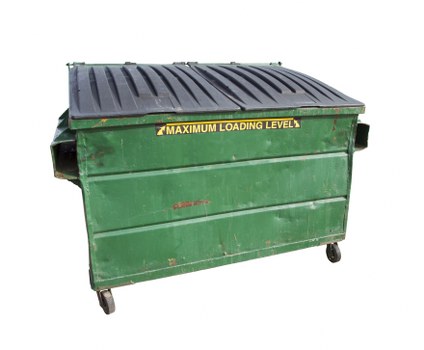
Quotation work for commercial waste removal is usually shaped by a few practical factors: the volume of waste, the weight or bulk of the items, access to the property and the time needed to load and clear the material safely. If the waste is easy to reach, already grouped and ready to move, the process is simpler. If items are spread across floors or mixed with fixtures, the job may require more labour and planning. These differences are normal and worth identifying early.
It also matters whether the waste is uniform or mixed. A load of boxed office waste presents different handling needs from a set of dismantled furniture, loose packaging and heavier items. If there are any materials that need special treatment, that should be mentioned clearly so the job can be assessed properly. We do not expect customers to know every technical detail, but the more accurate the description, the better the quotation can reflect the real work involved.
For many businesses, the most efficient way to begin is to gather a short list of what needs taking away and decide whether the job is urgent or can be fitted into a planned slot. That one step can make the rest of the process much easier.
Preparing a practical quotation
When you ask for a quotation, a little structure helps. List the main items, say where they are located and note any access limits such as narrow staircases, loading restrictions or shared entrances. If there is a choice between one sizeable collection and several smaller ones, explain how the waste is spread across the premises. That gives a better basis for planning and reduces the chance of surprises later.
It can also help to say whether the waste is ready now or whether it will be accumulated over a few days before removal. Some customers want the work completed at short notice; others are arranging a larger clear-out that sits alongside other site changes. Either way, the quotation should be based on the actual scope, not an optimistic assumption. If you are ready to talk it through, request a quotation today.
For straightforward jobs, clear wording is often enough. For larger or more complicated clearances, photographs can be useful, but they are only a supporting tool. The important thing is to describe what you want removed, where it is located and whether there are any items that should be treated separately. That keeps the conversation practical and avoids unnecessary back and forth.
Related waste streams and specialist handling
Fridge and appliance removal is relevant when a business needs old appliances taken away as part of a closure, refit or equipment replacement. Appliances often sit alongside other waste, but they can require separate handling from general rubbish or furniture because of their construction and contents. Where a commercial site has mixed items, separating appliances from ordinary waste helps make the clearance more orderly and more accurate.
Other sites may need different treatment again. A warehouse reset, for example, can create packaging, pallets, shelving and redundant stock, while a hospitality venue may have mixed fixtures, furniture and back-of-house waste. The key is matching the right service to the material on site. That is why a general commercial collection is not always enough on its own, and why a brief description of the waste categories is so helpful at the quotation stage.
Even where a job appears simple, details can change the plan. Lifts, loading bays, operating hours and shared access points all influence how a collection is carried out. The goal is not to make the process complicated; it is to make sure the removal fits the premises and the waste is dealt with properly from the start.
Next steps for booking

If you need commercial waste removal in Wimbledon, the next step is to outline the waste type, location and approximate amount. That gives a clear starting point for an accurate quotation and helps identify whether the job is best handled as a general business collection, a furniture-focused clearance or a more specific service. A concise description is usually enough to move the process forward.
For sites with several waste streams, it is sensible to group similar items together before collection and leave anything uncertain for clarification. That can save time on the day and makes it easier to keep the uplift organised. If you are unsure which category your items fit into, say so; it is better to describe the situation plainly than to overstate or guess. Clear information leads to clearer planning.
When you are ready, use the service details on this page to decide what you need and send a request for a quotation. Keep it brief if you like, or add more detail if the job is larger. Either way, the aim is simple: a tidy removal, a suitable plan and a straightforward way to get the work arranged.