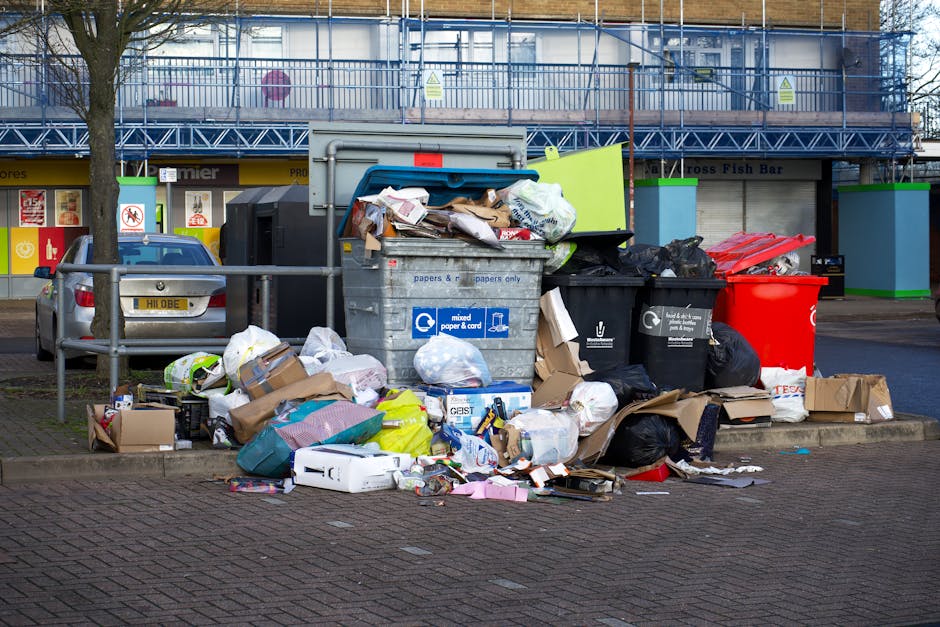
Wimbledon Common Bulky Rubbish Collection Guide
If you have a sofa blocking the hallway, a mattress leaning in the spare room, or a pile of old furniture waiting in the garage, this Wimbledon Common bulky rubbish collection guide will help you clear it properly, safely and without the usual faff. Bulky waste has a habit of turning one small job into a much bigger one, especially in homes with tight access, basement rooms, shared entrances or limited parking. That is exactly where a clear plan pays off.
In this guide, we explain how bulky rubbish collection works in Wimbledon Common, what can be removed, what to watch out for, and how to choose the most practical option for your situation. We will also cover common mistakes, cost factors, compliance points and a few real-world tips that make the whole process smoother. Let's face it, nobody wants to spend a Saturday wrestling a broken wardrobe down the stairs.
Why Wimbledon Common bulky rubbish collection guide Matters
Bulky rubbish is not just "more rubbish". It is usually heavy, awkward, messy or simply too large for normal bins. In Wimbledon Common, that matters because many properties are a mix of flats, period homes, family houses and small commercial spaces, all of which can create access headaches. A bulky item collection that is planned badly can lead to damaged walls, unsafe lifting, frustrated neighbours and wasted time.
There is also the practical side. Old furniture and large household items tend to accumulate quietly. One broken chest of drawers becomes a stack of other things that have been "waiting to go too", and before you know it the spare room feels like a storage unit. A good collection guide helps you move from vague intention to actual action.
For local residents, landlords, tenants, property managers and businesses, the main value is simplicity. The right removal approach can save repeated trips to the tip, reduce physical strain and make sure waste is handled responsibly. If you are already looking at wider clearance needs, it may also be useful to explore professional waste removal options or a more tailored service such as house clearance when the job is bigger than a single item or two.
Expert summary: The best bulky rubbish collection is the one that matches the item, the access, the timing and the disposal route. Get those four things right and the job usually becomes much easier than people expect.
How Wimbledon Common bulky rubbish collection guide Works
At a practical level, bulky rubbish collection usually follows a simple pattern: identify the items, decide what can be taken, confirm access, and arrange removal. Where it gets more complicated is in the details. A sofa can be straightforward, but a sofa plus a stair lift, a narrow terrace hallway, a parking restriction and a landlord deadline is a different story altogether.
Most collections begin with a rough description of the load. That might include furniture, white goods, mattresses, general household junk, or mixed items from a loft, garage or garden. A reputable waste collector will normally want to know what is being removed, where it is located, whether help is needed lifting it, and whether any item needs special handling. For example, fridges, freezers and some appliances can require separate treatment, so it is worth checking a dedicated fridge and appliance removal option if you have electricals mixed in.
Access is a huge part of the process. In Wimbledon Common, collections can be affected by narrow streets, limited loading space, basement flats and shared entrances. A clear description saves everyone time. It also helps avoid awkward surprises on the day, which, frankly, nobody enjoys.
Many customers choose a service that can collect items from inside the property rather than leaving them on the pavement. That is especially useful for heavy furniture, bulky wardrobes, sofas and beds. If your waste includes furniture that needs separate handling, you may also find furniture disposal or mattress and sofa disposal more relevant than a general clearance.
Key Benefits and Practical Advantages
The biggest advantage of a well-managed bulky rubbish collection is that it removes stress as well as items. Once the bulky objects are gone, the room suddenly feels usable again. You notice the space differently. A hallway can breathe. A garage can become a garage again. That sounds small, but it often changes how the whole property functions.
Here are the benefits that matter most in real life:
- Less physical strain: no dragging heavy items down stairs or into a car you do not really want scratched.
- Better time control: one visit can often replace several slow trips to a recycling centre.
- Cleaner access: the job is handled with the right lifting approach and, ideally, with insurance and safety in mind.
- More suitable disposal: items can often be sorted for reuse, recycling or specialist treatment.
- Reduced disruption: especially useful for families, shared buildings and busy workspaces.
There is also a quieter benefit: mental relief. Clearing unwanted bulky rubbish often feels like closing a chapter. You look at the room and think, right, that is finally dealt with. Not dramatic, just satisfying.
If sustainability matters to you, it is worth asking how items are processed after collection. A responsible provider will usually prioritise reuse and recycling where possible. You can also read more about the company's approach to recycling and sustainability if you want a clearer sense of how waste is handled after it leaves the property.
Who This Is For and When It Makes Sense
This guide is for anyone in or around Wimbledon Common who needs to get rid of large, awkward or heavy items without turning it into an all-day ordeal. That includes homeowners, renters, landlords, estate agents, office managers, tradespeople, and anyone inheriting a property or clearing a room after a move.
It is especially useful if you are dealing with one of these common scenarios:
- A sofa, armchair or bed frame that will not fit in a normal bin collection.
- A mattress that has reached the end of its life and is taking up precious space.
- Old wardrobes, desks or shelving units from a bedroom, loft or office.
- Mixed bulky junk after a refresh, move or refurbishment.
- Garage clutter that has slowly grown into a very odd collection of "maybe useful" things.
For a full-room or whole-property job, a more comprehensive service may make more sense. In those cases, services like home clearance, flat clearance, loft clearance or garage clearance can be a better fit than a single-item pick-up.
Businesses can benefit too. Offices often need old desks, chairs, filing units and confidential material removed quickly and discreetly. In those situations, office clearance or even confidential shredding may be the safer route.
Step-by-Step Guidance
If you want the process to go smoothly, it helps to break it into clear stages. Here is a practical way to handle bulky rubbish collection without overthinking it.
- Make a proper item list. Walk through the property and write down everything that needs to go. Include sizes if the items are large or awkward.
- Separate ordinary bulky waste from specialist waste. Fridges, freezers, appliances, damaged electricals and anything potentially hazardous should be identified early.
- Check access. Measure doorways, stairwells and tight corners if needed. A quick look now can save a lot of muttering later.
- Think about parking and loading. In streets like those around Wimbledon Common, vehicle access and nearby stopping space can influence the best collection method.
- Decide whether you need help from inside the property. Some jobs are easy if items are already on the curb. Others need full removal from bedrooms, lofts or basement rooms.
- Request a clear price based on the actual load. The more accurate the description, the smoother the quote process tends to be. You can review pricing and quotes if you want to understand what usually affects cost.
- Prepare the area. Move smaller objects, clear a path and keep pets or children away from the lifting route.
- Confirm what happens after collection. If you care about recycling, resale or responsible disposal, ask upfront.
A useful rule of thumb: if the job starts involving more than one room, or if you need to lift anything down stairs, treat it as a planned collection rather than a quick chore. That mindset alone avoids a lot of strain.
Expert Tips for Better Results
A few small decisions can make bulky rubbish collection noticeably easier. These are the sorts of things that often get missed until the day itself.
- Take photos before you book. Pictures help show item size, condition and access issues. Honestly, they solve half the back-and-forth.
- Group items by type. Keep furniture, electricals and mixed junk separate where possible. Sorting at source speeds things up.
- Keep pathways clear. Even a narrow corridor benefits from a bit of breathing room.
- Remove drawers, cushions or loose parts. Sofas and wardrobes are often easier to handle when they are partially dismantled.
- Plan around other household activity. If you have school runs, deliveries or builder access on the same day, things can get crowded very quickly.
- Ask about special items early. A bulky item might seem ordinary until it turns out to be heavy, contaminated or tied to a specialist waste category.
One more thing: if you are clearing a room that has been untouched for a while, wear gloves and a decent mask if dust is likely. Old lofts and garages have a way of producing a smell that is hard to forget. Not dangerous in every case, but not exactly glamorous either.
Common Mistakes to Avoid
Most bulky waste problems are avoidable. The tricky part is that the mistakes feel minor at first. Then they snowball.
Here are the ones we see most often:
- Underestimating the volume. A single sofa is one thing. A sofa plus cushions, side tables and a pile of broken household items is another.
- Forgetting about access. A clear route matters as much as the item itself.
- Mixing hazardous or specialist waste with general rubbish. Paints, chemicals, certain batteries and similar items need a different approach. If in doubt, check hazardous waste disposal.
- Leaving everything until the last minute. Last-minute clearances tend to create more stress and fewer options.
- Not checking item condition. A wet mattress, broken appliance or contaminated item may need extra handling.
- Choosing the wrong method for the job. A skip can work in some cases, but not all. It is worth comparing with the guidance on what can go in a skip before deciding.
The biggest mistake of all? Assuming bulky waste is all the same. It really is not. A garden bench, a fridge and an old office desk each bring their own practical quirks.
Tools, Resources and Recommendations
You do not need fancy equipment to prepare for bulky rubbish collection, but a few basic tools can make the job far easier. A tape measure is useful for checking whether items will fit through a doorway or down stairs. A pair of work gloves protects your hands from splinters, dust and awkward edges. Strong bin bags or boxes help gather loose parts, screws and fixings so they do not go missing halfway through the job.
If the clearance is more involved, a screwdriver, adjustable spanner and furniture blankets can also help. Furniture blankets are especially handy if you are moving items through narrow hallways or shared entrances. A trolley is useful too, though only when the terrain makes sense. Pushing a heavy wardrobe across an uneven threshold is not the great idea it sounds like at 9am.
For related services, consider these pages if your bulky rubbish falls into a more specific category:
- Furniture clearance for larger household furniture groups.
- Mattress and sofa disposal for bulky soft furnishings.
- Builders waste clearance for renovation debris and mixed construction waste.
- Garden clearance for outdoor clutter, branches and seasonal waste.
- Business waste removal for commercial premises and regular non-household loads.
You can also review the company's insurance and safety information and health and safety policy if you want reassurance about how collections are handled in practice.
Law, Compliance, Standards, or Best Practice
Bulky rubbish collection is not just about getting rid of stuff. In the UK, waste must be handled responsibly, and that includes making sure it is passed to a legitimate operator and not dumped somewhere it should not be. As a customer, a sensible best practice is to use a provider that can explain how waste is collected, transported and processed. You do not need a legal lecture, just a straightforward, confident explanation.
There are a few common-sense principles worth following:
- Separate specialist waste. Items such as fridges, appliances and hazardous materials may need different handling.
- Do not leave waste in public places without the proper arrangement. That can create avoidable issues for neighbours and passers-by.
- Keep records if you are a business or landlord. This is especially useful if you manage recurring waste or tenancy changes.
- Check terms before booking. Understanding what is included helps avoid misunderstandings later. The terms and conditions page is a sensible place to start.
For businesses, confidential documents and mixed office waste may require extra care. If your bulky rubbish collection includes archive boxes, paperwork or storage units full of sensitive material, pair the clearance with confidential shredding so everything is dealt with properly.
Good practice also means choosing a service that is transparent about payments and data handling. The pages on payment and security and privacy policy can be useful if you want to understand how your information is treated.
Options, Methods, or Comparison Table
There is no single right way to deal with bulky rubbish. The best method depends on the item type, how quickly you need it gone and how much lifting you want to do yourself. Here is a simple comparison.
| Method | Best for | Strengths | Limitations |
|---|---|---|---|
| Booked bulky item collection | One-off large items or small mixed loads | Simple, fast, less lifting for you | Depends on access, load size and item type |
| Full clearance service | Rooms, flats, houses, garages or offices with multiple items | Efficient for larger jobs, more complete outcome | May be more than you need for one item |
| Skip hire | Accessible properties with a predictable waste stream | Handy for ongoing renovation work | Not ideal for heavy lifting, access issues or restricted waste types |
| Self-haul | Small quantities and people with suitable transport | Direct control over timing | Time-consuming, physically demanding, awkward for heavy items |
If you are unsure, think about the most annoying part of the job. Is it the lifting, the transport, the sorting, or the disposal rules? That answer usually points to the right option. For many households, a direct collection is simply the least stressful route. For bigger jobs, a broader service may be smarter.
Case Study or Real-World Example
Here is a realistic example. A family in a Wimbledon Common terrace had an old three-seater sofa, a broken ottoman, two bedside cabinets and a small pile of cardboard and mixed junk from a bedroom refresh. The items were not dangerous, but they were awkward. The hallway was narrow, the stairs turned sharply, and the front access had a parked car situation that made timing important.
Instead of trying to move everything in one go, they separated the items into a list, measured the widest pieces, and cleared the route before the collection team arrived. The sofa cushions were removed, the loose screws were bagged, and the smaller pieces were grouped together. It sounds almost too simple, but that preparation saved a lot of time on the day.
The result was better than they expected. The room felt bigger immediately, the hallway stayed undamaged, and the items were removed in one visit. A nice, clean finish. No drama, no repeated trips, no "we'll do it next weekend" lingering for another month.
That sort of job is exactly where a specialist collection beats a DIY approach. You get the space back faster, and you avoid the strange after-effect of one person becoming the household waste coordinator against their will.
Practical Checklist
Use this checklist before collection day. It keeps things tidy and avoids the usual last-minute scramble.
- List every bulky item that needs removing.
- Check whether any items are electrical, hazardous or specialist waste.
- Measure large items and note tight access points.
- Clear pathways, stairwells and door thresholds.
- Group smaller loose parts, screws and fittings together.
- Decide if you need inside collection or curbside removal.
- Confirm parking, loading access and timing.
- Check pricing information and what is included.
- Ask how reusable or recyclable items are handled.
- Keep pets, children and fragile items away from the route.
If your load includes furniture, garden waste, loft clutter or office items, it can help to match the job to the most relevant clearance type rather than lumping it all together. A little organisation goes a long way, weirdly enough.
Conclusion
A good Wimbledon Common bulky rubbish collection guide should do more than tell you what bulky waste is. It should help you make a confident decision, avoid common pitfalls and choose the simplest, safest route for your own property. In most cases, the winning formula is straightforward: know your items, check access, separate specialist waste and use the most suitable collection method for the job.
The real value is not just getting rid of a sofa or mattress. It is getting the room, the hallway or the garage back in working order without a stressful weekend, a sore back or a messy trail of half-finished plans. That is the bit people remember. The relief.
If you are ready to clear bulky items properly, review the relevant service pages, compare the options and take the next step with a clear head.
Get a free quote today and see how much you can save.
And if there is one final thought to leave you with, it is this: once the clutter is gone, the space usually feels lighter than you expected. Sometimes a room only needs a proper clear-out to feel like itself again.
Frequently Asked Questions
What counts as bulky rubbish in Wimbledon Common?
Bulky rubbish usually means large items that are difficult to move, too big for normal bins, or awkward enough to need extra handling. Common examples include sofas, mattresses, wardrobes, desks, tables and large mixed household items.
Can a bulky rubbish collection take items from inside my home?
Yes, many collections can include removal from inside the property, provided the access is safe and clearly described in advance. This is especially useful for flats, upper floors and homes with narrow hallways or stairs.
How should I prepare for a bulky waste collection?
Make a list of items, clear access routes, separate specialist waste, and have any loose parts bagged up. If possible, take photos of large items so the collection can be planned more accurately.
What should I do with fridges, freezers or other appliances?
These should be treated carefully because appliances may need different handling from ordinary furniture. A dedicated service such as fridge and appliance removal is often the better option.
Is it better to use skip hire or a bulky rubbish collection?
It depends on the job. Skip hire can suit renovation waste or ongoing loading, while a bulky rubbish collection is often simpler for large awkward items, especially when access is tight or you want help with lifting.
Can I include a mattress or sofa in the same collection?
Usually yes, provided the items are suitable for the same waste stream and the provider accepts them together. If your load is mainly soft furnishings, mattress and sofa disposal may be the most relevant service.
How do I know if my waste is hazardous?
If it includes chemicals, certain batteries, paint, oils, pressurised containers or other potentially harmful materials, treat it as specialist waste. When in doubt, do not mix it with general bulky rubbish and seek the right disposal route.
What happens to the items after collection?
That depends on the condition and type of waste. Reusable items may be separated, recyclable materials may be diverted where possible, and the rest should be disposed of responsibly in line with normal waste-handling practice.
Can landlords or agents book bulky rubbish removal after a tenant moves out?
Yes, and that is a common use case. End-of-tenancy clearances often include furniture, broken household items and leftover mixed waste, especially when a property needs to be re-let quickly.
How much does bulky rubbish collection cost?
Pricing usually depends on item volume, weight, access, labour required and whether any specialist waste is included. For a clearer picture, review the provider's pricing information and request a quote based on the actual load.
Do I need to be home when the collection happens?
Often yes, especially if items are inside the property or access needs to be checked. In some cases, arrangements can be made in advance, but it is best to confirm the exact process before collection day.
What if I have a bigger clear-out than I expected?
That happens all the time. What starts as one item can turn into a loft, garage or full-room clear-out. If that happens, a broader service such as home clearance, loft clearance or garage clearance may be the better fit.